by Jeroen | Sep 11, 2026 | Knowledge Base
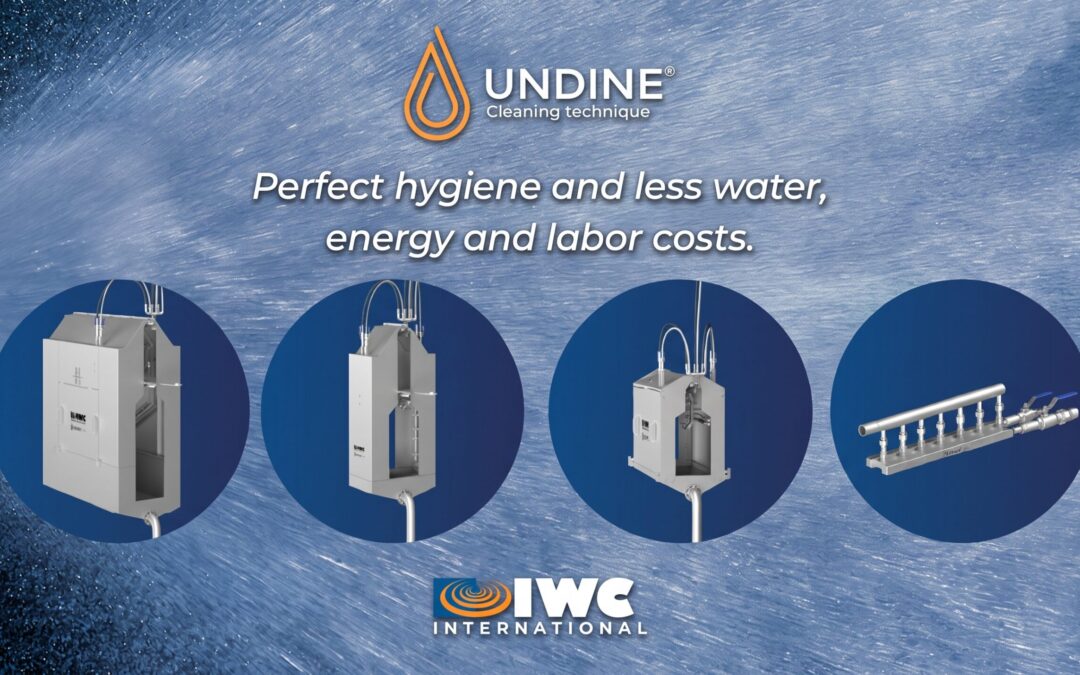
Water is not just a utility in food production. It is part of hygiene control, product quality, employee safety, equipment performance, and daily production continuity. That is why the best solutions to save water on food production lines do not simply reduce flow...

by Team IWC | Jul 20, 2026 | Blog
In poultry plants, cross-contamination risk is usually not caused by a single failed hygiene step. It builds through repeated transfer: neck skin contacting guides, residues accumulating around open carcass areas, aerosols from poorly controlled wash points, shackles...

by Team IWC | Jul 12, 2026 | Blog
In fruit and vegetable processing, the largest water losses rarely come from one obviously oversized washer. They usually sit in short, repeated intervals: spray bars running while no product is present, flumes that are refreshed more often than needed, conveyors that...
by Team IWC | Jul 5, 2026 | Blog
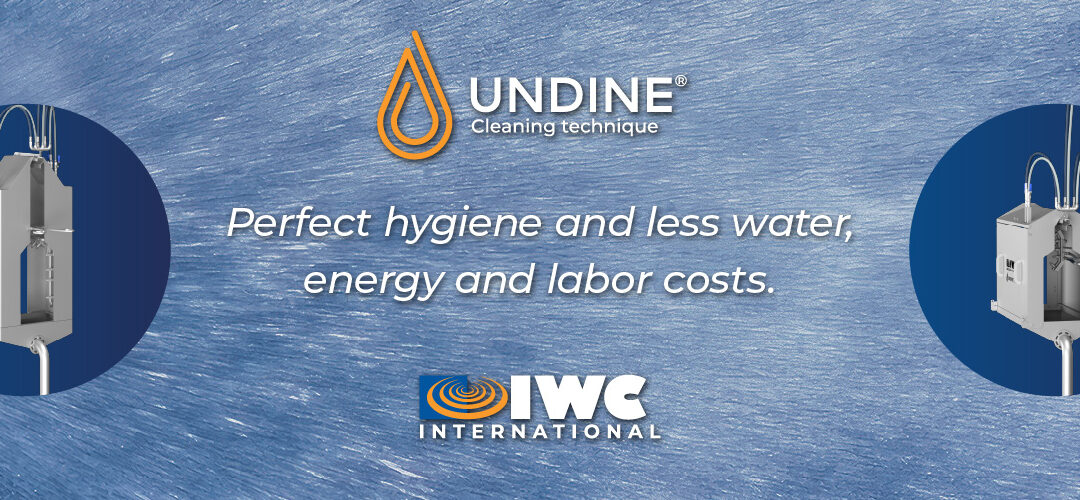
In poultry operations, a weak equipment choice usually shows up as unstable scalder water, residue carryover on belts, extra manual rinsing at shift end, or a sanitation window that keeps expanding because equipment is difficult to access. The purchase price rarely...
by Team IWC | Jul 3, 2026 | Blog
In poultry plants, water-related food safety problems rarely start at the incoming main. They show up where water picks up organic soil, rebounds from frames, stagnates in pipework, or is sprayed with too much force across belts and surrounding equipment. Clean water...

